
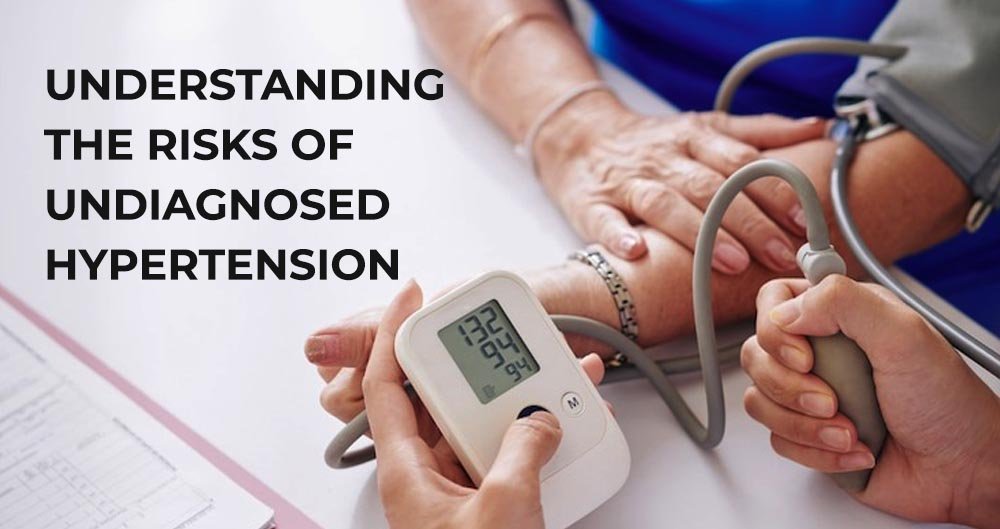
Factors of Hypertension Due to an Increase in Blood Pressure
Hypertension, commonly known as high blood pressure, is a widespread health condition that affects millions of people worldwide. It occurs when the force of blood against the walls of the arteries is consistently too high, leading to serious health complications such as heart disease, stroke, kidney failure, and other cardiovascular problems. Understanding the factors that contribute to hypertension is crucial for prevention and effective management.
In this blog, we will discuss the major causes and risk factors of hypertension due to an increase in blood pressure, its effects on the body, and ways to control and prevent it.
What is Hypertension?
Hypertension is defined as having a blood pressure reading of 140/90 mmHg or higher on multiple occasions. The normal blood pressure range is considered to be around 120/80 mmHg. When blood pressure remains high over time, it can cause damage to blood vessels and increase the risk of heart attacks, strokes, and kidney disease.
Hypertension is often called the "silent killer" because it usually has no symptoms in its early stages. Many people do not realize they have high blood pressure until it causes severe health problems.
There are several factors that contribute to an increase in blood pressure. These can be broadly classified into modifiable (lifestyle-related) and non-modifiable (genetic or unavoidable) factors.
Modifiable Risk Factors (Lifestyle Factors)
These are factors that can be controlled through lifestyle changes and medical intervention.
A. Unhealthy Diet
A poor diet high in salt, unhealthy fats, and processed foods is a major contributor to high blood pressure.
- Excessive Sodium Intake: Too much salt in the diet leads to water retention, increasing blood volume and pressure.
- High Fat & Cholesterol Intake: Saturated and trans fats can lead to plaque buildup in arteries, narrowing blood vessels and increasing pressure.
- Low Potassium Intake: Potassium helps balance sodium levels in the body. A diet low in potassium increases the risk of hypertension.
B. Lack of Physical Activity
A sedentary lifestyle contributes to obesity and weakens the heart muscle. When the heart has to work harder to pump blood, blood pressure rises.
Regular exercise helps lower blood pressure by improving heart health and circulation. It also helps maintain a healthy weight, which is important for controlling hypertension.
C. Obesity and Overweight
Excess body weight puts extra strain on the heart, making it work harder to pump blood. This leads to increased blood pressure. Additionally, obesity is linked to insulin resistance, inflammation, and hormonal changes that contribute to hypertension.
D. Excessive Alcohol Consumption
Drinking too much alcohol can raise blood pressure levels. It can also interfere with medications used to treat hypertension, making them less effective. Moderation is key, with recommended limits being no more than one drink per day for women and two for men.
E. Smoking and Tobacco Use
Nicotine in cigarettes causes blood vessels to constrict, increasing blood pressure. Smoking also damages blood vessel walls, making them more prone to plaque buildup and narrowing, leading to long-term hypertension.
F. Stress and Anxiety
Chronic stress leads to temporary spikes in blood pressure. Over time, if stress is not managed, it can contribute to long-term hypertension. Poor stress management can also lead to unhealthy habits like overeating, smoking, and alcohol consumption, which further increase blood pressure.
G. Poor Sleep Patterns
Lack of proper sleep, including sleep disorders like sleep apnea, has been linked to high blood pressure. Sleep helps regulate stress hormones and supports overall heart health. Disrupted sleep patterns lead to hormonal imbalances that increase blood pressure levels.
Conclusion: Hypertension is a serious health condition, but it is preventable and manageable with the right lifestyle choices and medical care. By understanding the key factors that lead to an increase in blood pressure, individuals can take proactive steps to maintain their heart health. A combination of a healthy diet, regular exercise, stress management, and medical supervision can significantly reduce the risk of developing hypertension-related complications.