
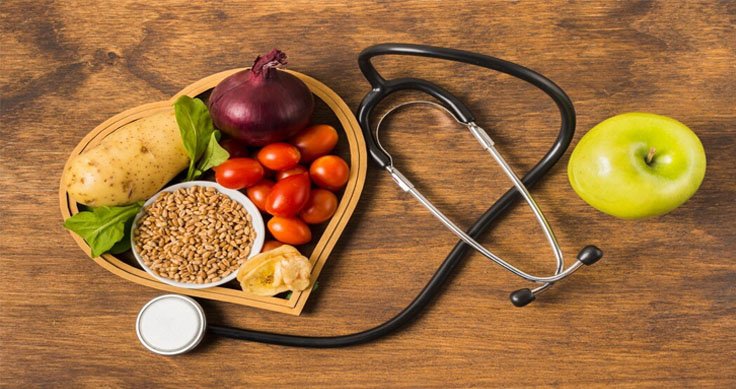
A Heart-Healthy Diet for High Cholesterol
High cholesterol is a major risk factor for heart disease, stroke, and other cardiovascular problems. Managing cholesterol levels through diet and lifestyle changes is crucial for maintaining a healthy heart. A heart-healthy diet focuses on reducing bad cholesterol (LDL) while increasing good cholesterol (HDL) to support overall cardiovascular well-being.
In this blog, we will explore the best foods to eat, what to avoid, and practical dietary tips to help lower cholesterol naturally.
Understanding Cholesterol
Cholesterol is a fatty substance found in the blood, produced by the liver, and also obtained from food. It is essential for building cells, producing hormones, and aiding digestion. However, an imbalance in cholesterol levels can lead to plaque buildup in arteries, increasing the risk of heart disease.
Types of Cholesterol:
- Low-Density Lipoprotein (LDL) – Bad Cholesterol: High levels contribute to artery blockage.
- High-Density Lipoprotein (HDL) – Good Cholesterol: Helps remove excess cholesterol from the blood.
Eating the right foods can help lower LDL cholesterol and improve heart health. Here are some of the best options:
1. Fiber-Rich Foods
Fiber helps reduce cholesterol absorption in the bloodstream.
- Oats & Whole Grains: Rich in soluble fiber, which lowers LDL cholesterol.
- Fruits: Apples, pears, and berries contain pectin, a type of soluble fiber.
- Vegetables: Leafy greens, carrots, and Brussels sprouts aid digestion and cholesterol control.
- Legumes: Beans, lentils, and chickpeas are excellent sources of fiber.
2. Healthy Fats
Replacing unhealthy fats with good fats helps improve cholesterol levels.
- Nuts & Seeds: Almonds, walnuts, chia, and flaxseeds contain omega-3 fatty acids.
- Avocados: High in monounsaturated fats that help reduce LDL levels.
- Olive Oil: A heart-friendly alternative to butter and refined oils.
- Fatty Fish: Salmon, mackerel, and tuna provide omega-3s for heart health.
3. Plant-Based Proteins
- Soy Products: Tofu, soy milk, and edamame help lower LDL cholesterol.
- Legumes & Beans: Great sources of protein and fiber for heart health.
4. Foods Rich in Antioxidants
Antioxidants prevent cholesterol oxidation, reducing plaque buildup in arteries.
- Dark Chocolate (in moderation): Contains flavonoids that support heart health.
- Green Tea: Rich in catechins that help lower cholesterol.
5. Sterol & Stanol-Enriched Foods
Plant sterols and stanols help block cholesterol absorption.
- Fortified Foods: Some orange juices, yogurt, and margarine are enriched with sterols.
Foods to Avoid for High Cholesterol
Certain foods can raise LDL cholesterol and contribute to heart disease. Limiting or avoiding these can help maintain healthy cholesterol levels.
- 1. Saturated Fats
- 2. Trans Fats
- 3. Refined Carbohydrates & Sugary Foods
- 4. Excessive Alcohol Consumption
Practical Dietary Tips for Lowering Cholesterol
- Eat More Plant-Based Meals: Try replacing meat with plant-based proteins.
- Choose Whole Foods: Replace processed foods with fresh, natural options.
- Use Healthy Cooking Methods: Bake, grill, or steam instead of frying.
- Read Food Labels: Avoid trans fats and high-sugar content.
- Stay Hydrated: Drink plenty of water to support overall health.
- Exercise Regularly: Combine a heart-healthy diet with physical activity.
Conclusion: Managing high cholesterol with a heart-healthy diet is one of the best ways to reduce the risk of heart disease. By choosing fiber-rich foods, healthy fats, and antioxidant-rich options while avoiding unhealthy fats, sugars, and processed foods, you can improve cholesterol levels and overall cardiovascular health.