
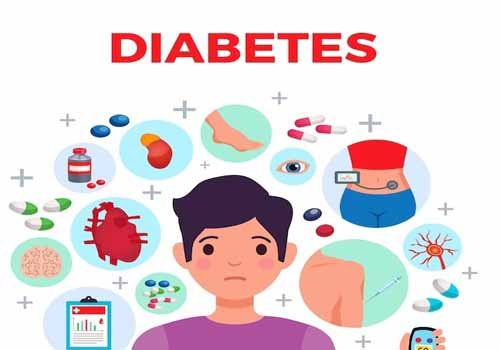
Diabetes and Heart Disease: Exploring the Interconnection and Managing Risks
Diabetes and heart disease are two of the most prevalent health conditions globally. What's concerning is that they often go hand in hand, creating a complex and potentially life-threatening interplay. In this article, we delve into the relationship between diabetes and heart disease, exploring the connections, risk factors, and strategies for prevention and management.
Understanding Diabetes:
Diabetes is a persistent medical condition characterized by elevated levels of glucose (sugar) in the bloodstream. There are two primary types of diabetes: Type 1 and Type 2. In Type 1 diabetes, the body's immune system mistakenly attacks and destroys insulin-producing cells in the pancreas, leading to a lack of insulin. Type 2 diabetes, on the other hand, occurs when the body becomes resistant to insulin or doesn't produce enough of it. Insulin is a hormone crucial for regulating blood sugar and allowing cells to absorb glucose for energy.
The Diabetes-Heart Disease Connection:
- 1. Increased Risk of Heart Disease: : Individuals with diabetes, especially Type 2 diabetes, are at a significantly higher risk of developing heart disease. High blood sugar levels can damage blood vessels and nerves over time, increasing the likelihood of atherosclerosis (hardening and narrowing of arteries) and other cardiovascular issues.
- 2. Risk Factors Multiplication: Diabetes often coexists with other risk factors for heart disease, such as high blood pressure, abnormal cholesterol levels, and obesity. This combination further amplifies the risk.
- 3. Effect on Blood Lipids: Diabetes can lead to unfavorable changes in blood lipid profiles. It tends to lower "good" HDL cholesterol and elevate triglycerides, contributing to the development of heart disease.
- 4. Inflammation and Oxidative Stress: : Chronic inflammation and oxidative stress, commonly observed in diabetes, can damage blood vessels and increase the likelihood of atherosclerosis.
- 5. Impaired Heart Function: Uncontrolled diabetes can affect the heart's pumping ability, leading to a condition known as diabetic cardiomyopathy. This can result in heart failure, a serious and potentially life-threatening condition.
Prevention and Management:
- 1. Blood Sugar Control: The cornerstone of diabetes management is blood sugar control. Regular monitoring, medication or insulin as prescribed, and a balanced diet can help maintain target blood sugar levels and reduce the risk of heart disease.
- 2. Lifestyle Modifications: : Lifestyle changes are vital. This includes adopting a heart-healthy diet rich in fruits, vegetables, whole grains, lean proteins, and healthy fats. Regular physical activity, weight management, and smoking cessation are equally important.
- 3. Blood Pressure and Cholesterol Management: Managing blood pressure and cholesterol levels is crucial for individuals with diabetes. Medications, when necessary, can help control these factors and reduce heart disease risk.
- 4. Medications and Cardiac Care: Depending on individual risk factors and cardiovascular health, healthcare providers may prescribe medications like aspirin or statins to prevent heart disease. Routine cardiac check-ups and tests are essential for early detection and intervention.
- 5. Education and Support: Education and support from healthcare providers, diabetes educators, and support groups can empower individuals with diabetes to make informed decisions about their health.